A Journey of Service | Recovery | Purpose
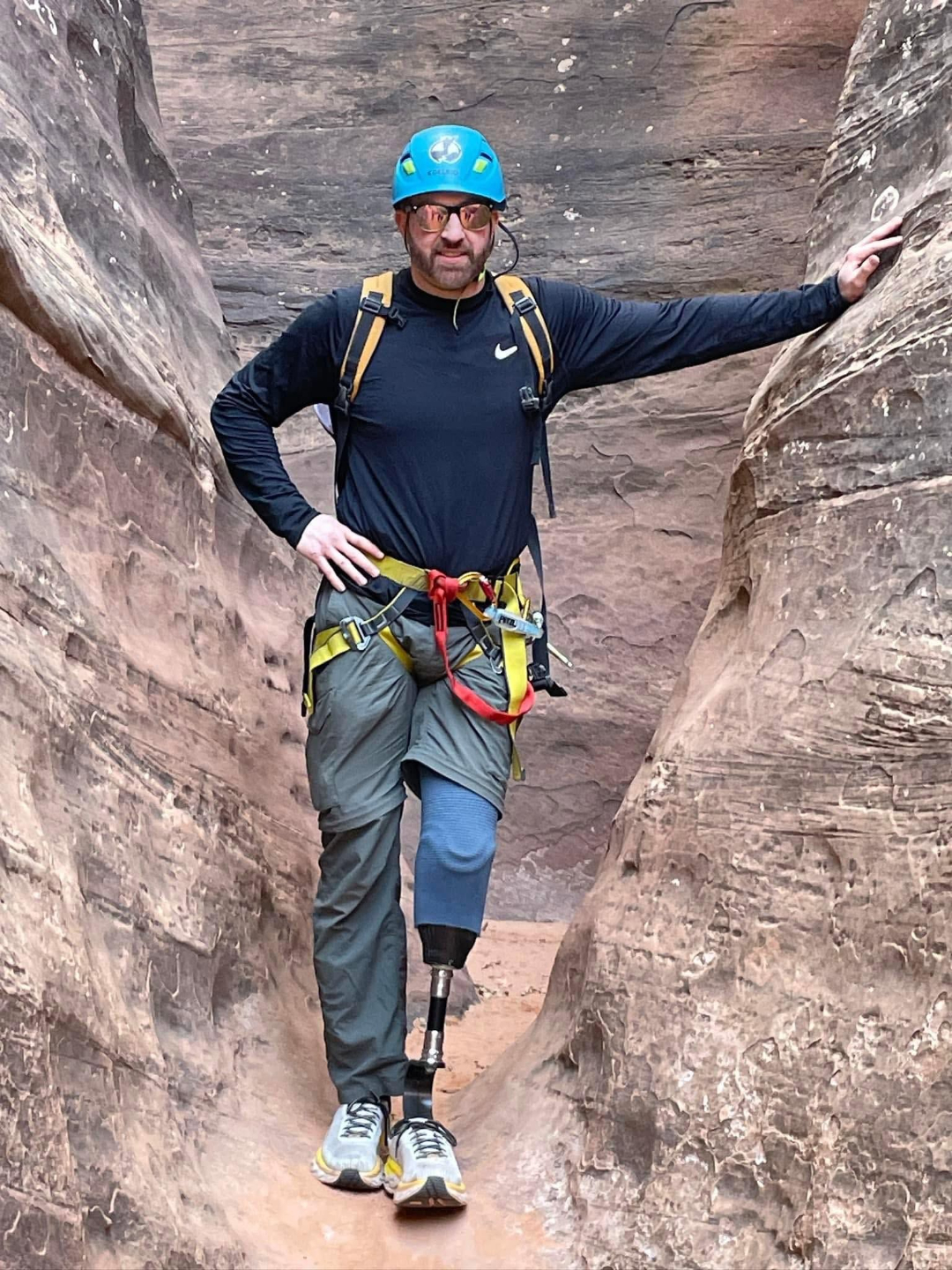
My path to creating NextPoint Fitness began long before I became a coach. It includes joining the Marine Corps, surviving a blast in Iraq, rebuilding after losing both legs, traveling thousands of miles through South America, and reaching the summit of Mount Kilimanjaro.
Those experiences changed how I understand strength, identity, adversity, and the process of moving forward. They also became the foundation of the philosophy behind NextPoint Fitness.
Military Service
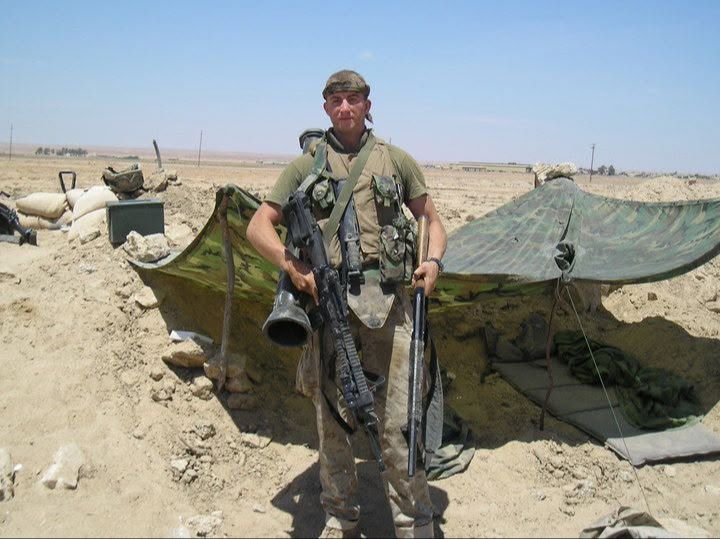
At twenty-two years old, I deployed to Iraq as a United States Marine. Like many of the young men and women serving beside me, I understood that deployment was not simply a personal choice—it was a duty and an obligation we had accepted when we joined.
I wanted to serve something larger than myself, challenge myself mentally and physically, and discover what I was capable of becoming. My father’s service in the Marines first planted the idea, and after September 11, I felt called to serve my country. At twenty-two, I deployed to Iraq, where a blast in 2005 took both of my legs and changed the course of my life. The discipline and sense of duty I developed as a Marine later became essential to rebuilding my strength, identity, and purpose.
The Blast That Changed Everything
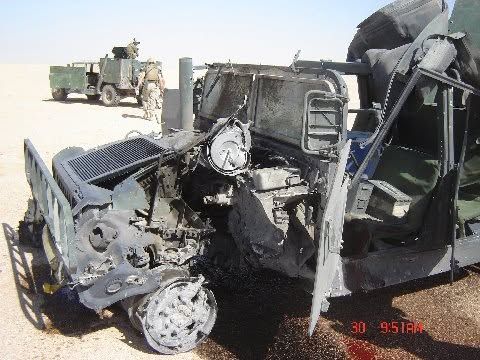
In 2005, my life changed in an instant when a blast in Iraq took both of my legs and left me fighting to survive. While driving a Humvee through a village in Iraq, our vehicle passed a pile of rocks hiding artillery explosives connected to a pressure plate. The weight of the Humvee completed the circuit and detonated the bomb beneath us.
I was dazed but conscious. Black smoke rose from the engine, diesel filled the air, and the front of the Humvee had been peeled back by the explosion. My fellow Marines were unconscious or bleeding around me. As I tried to move my legs, I knew something was terribly wrong.
The memories returned gradually in the hospital—flashes of the blood-soaked floorboard, the smell of sulfur, the blackened windshield, and the hole the blast had torn through the vehicle.
Beyond the Blast
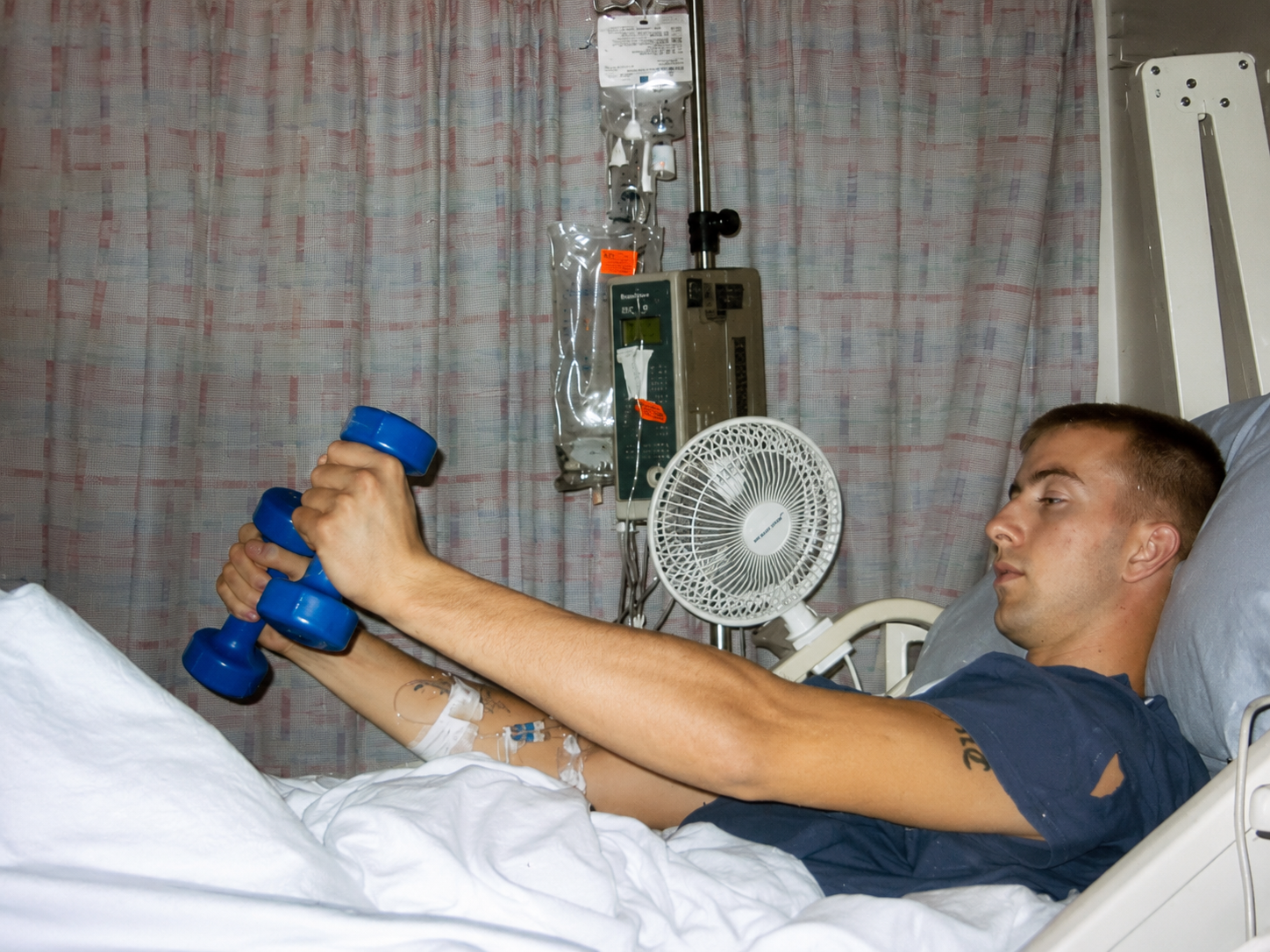
When I woke in Bethesda Naval Medical Center, I was facing more than physical injuries. The explosion had taken my legs and severely injured my body, but its deepest impact was on my identity. I was no longer trying only to understand what had happened. I was confronting a much larger question: Who would I become now?
Recovery was not a straight line. Rebuilding my body was only one part of the process. I also had to rebuild my confidence, redefine my purpose, and learn how to move forward when the path ahead was unclear.
South America
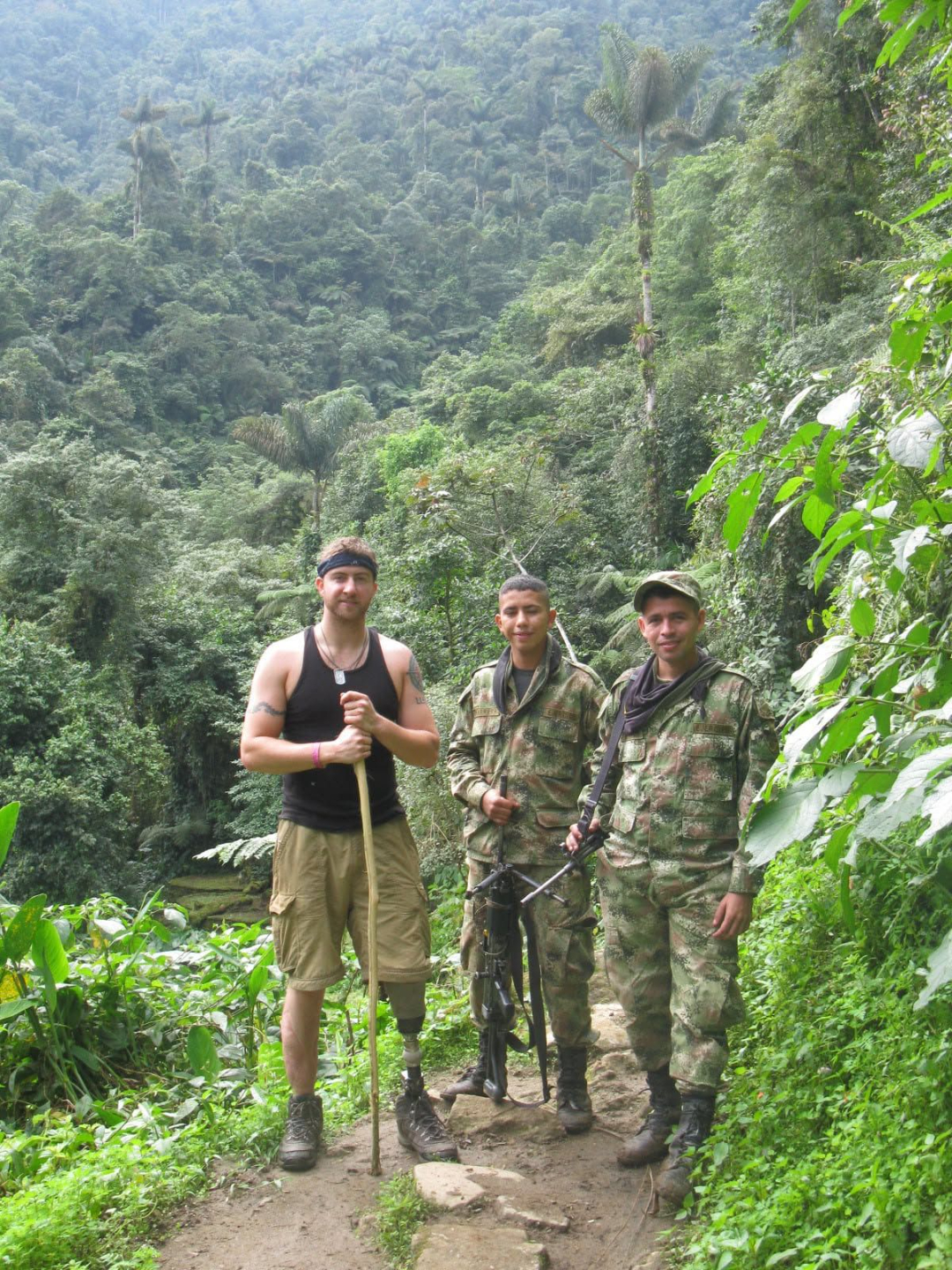
After my recovery, I had rebuilt enough of my body to move forward, but I still had not rebuilt a clear sense of who I was or what came next. I felt restless, unhappy, and disconnected from the life I had returned to. I needed to step away—not to escape what had happened, but to understand what it meant and decide how I wanted to live afterward.
South America offered exactly what I was searching for: uncertainty, challenge, and the freedom to move without a fixed plan. I wanted time to reflect on my military service, push beyond the limits I had placed on myself, and learn to trust my instincts again. The journey required me to accept what I could not control, adapt when plans failed, and keep moving into the unknown.
I traveled roughly 4,000 miles through South America, moving through cities, remote villages, rainforests, islands, and mountain regions. Along the way, I trekked to Colombia’s Lost City, explored the Amazon basin and Galápagos Islands, traveled through Medellín and the Andes, and continually pushed the limits of what I believed was physically possible. What began as an adventure and an escape gradually became a journey of self-discovery, human connection, and renewed purpose.
From Survival to Purpose
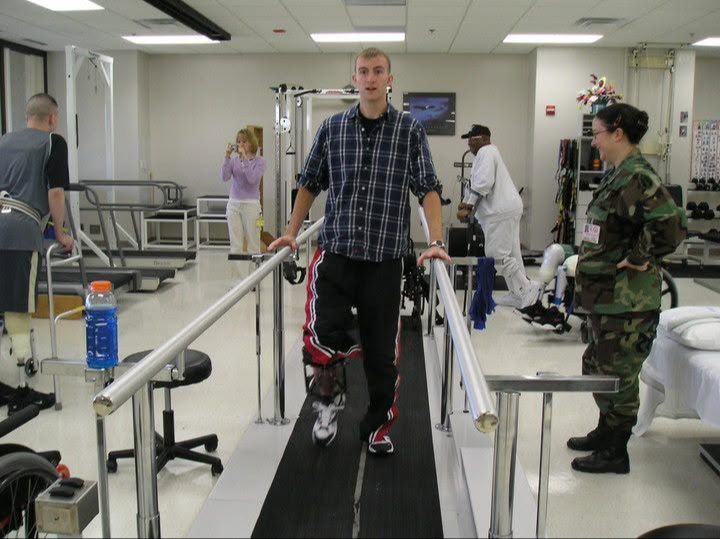
For years, I believed recovery meant returning to the person I had been before the blast. Eventually, I learned that the goal was not to go backward. It was to become someone new.
That process taught me that growth begins with accepting where you are, choosing a direction, and taking the next step—even when the path ahead is uncertain.
The hardship itself does not create growth. Growth comes from how we respond, the meaning we build from the experience, and the actions we take afterward.
That belief became the foundation of NextPoint Fitness.
Why I Created NextPoint Fitness
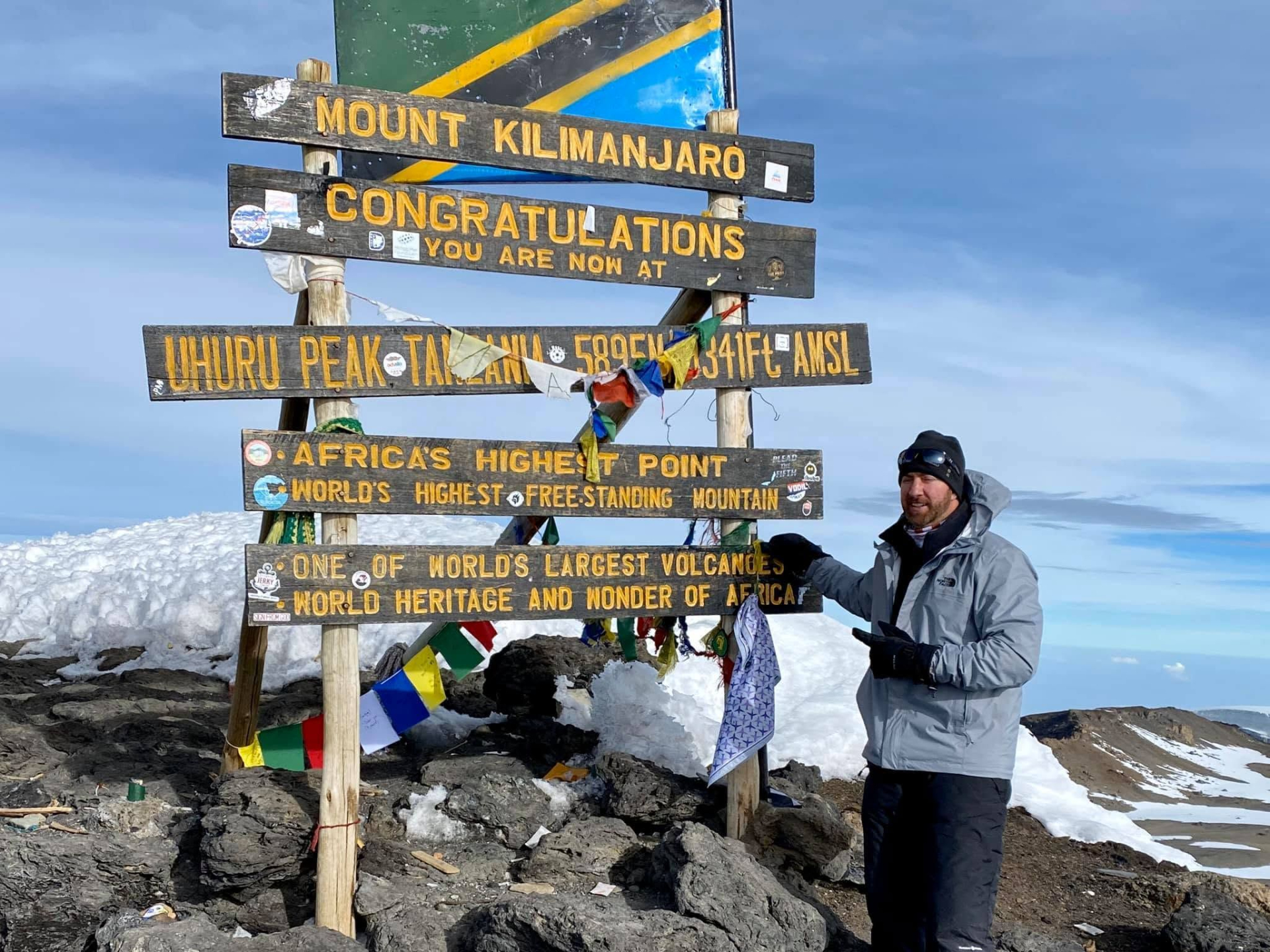
My journey eventually led me to the summit of Mount Kilimanjaro and later to the finish line of a 70.3 Ironman triathlon. Reaching the summit was more than a physical accomplishment. It represented the realization that adversity does not have to be the end of your story. It can become the beginning of a new one.
It is this belief system that led me into a life of helping others find their NextPoint. I have taking all my knowledge as a fitness coach and wisdom from life my experiences to create NextPoint Fitness.
Some are rebuilding after injury, illness, military service, major life changes, or years of putting their health last. Others simply want more structure, accountability, and confidence. The circumstances may be different, but the challenge is often the same: creating a path from where you are now to where you want to be.
I know what it feels like to face a future that looks completely different from the one you imagined. I also know that progress rarely begins with one dramatic transformation. It begins with a decision, a clear plan, and one manageable step followed by another.
NextPoint Fitness brings that philosophy into practical coaching through structured fitness, realistic nutrition guidance, weekly accountability, and habits designed to last.
The Meaning Behind “NextPoint”
My journey is deeply personal, but the lesson behind it is universal. Everyone eventually faces something that disrupts their identity, confidence, health, or sense of direction.
The question is not whether life will challenge us. The question is what we will build from that challenge.
NextPoint Fitness exists to help people take that next step with greater structure, support, and purpose.
Throughout my journey, each challenge became a signpost pointing toward the next opportunity for growth. I learned that I did not need to see the entire path before moving. I only needed to identify the next point and take the next step toward it.
That is what NextPoint represents.
It is not about pretending the past did not happen. It is about accepting where you are, defining where you want to go, and building the strength and confidence to move forward.
Your next point might be completing your first consistent week of workouts. It might be regaining strength, improving your nutrition, rebuilding confidence, or preparing for a challenge that once seemed impossible.
Whatever it is, you do not have to reach it all at once.
You just have to begin.
“The goal was not to return to the person I had been. It was to discover who I could become next.”